

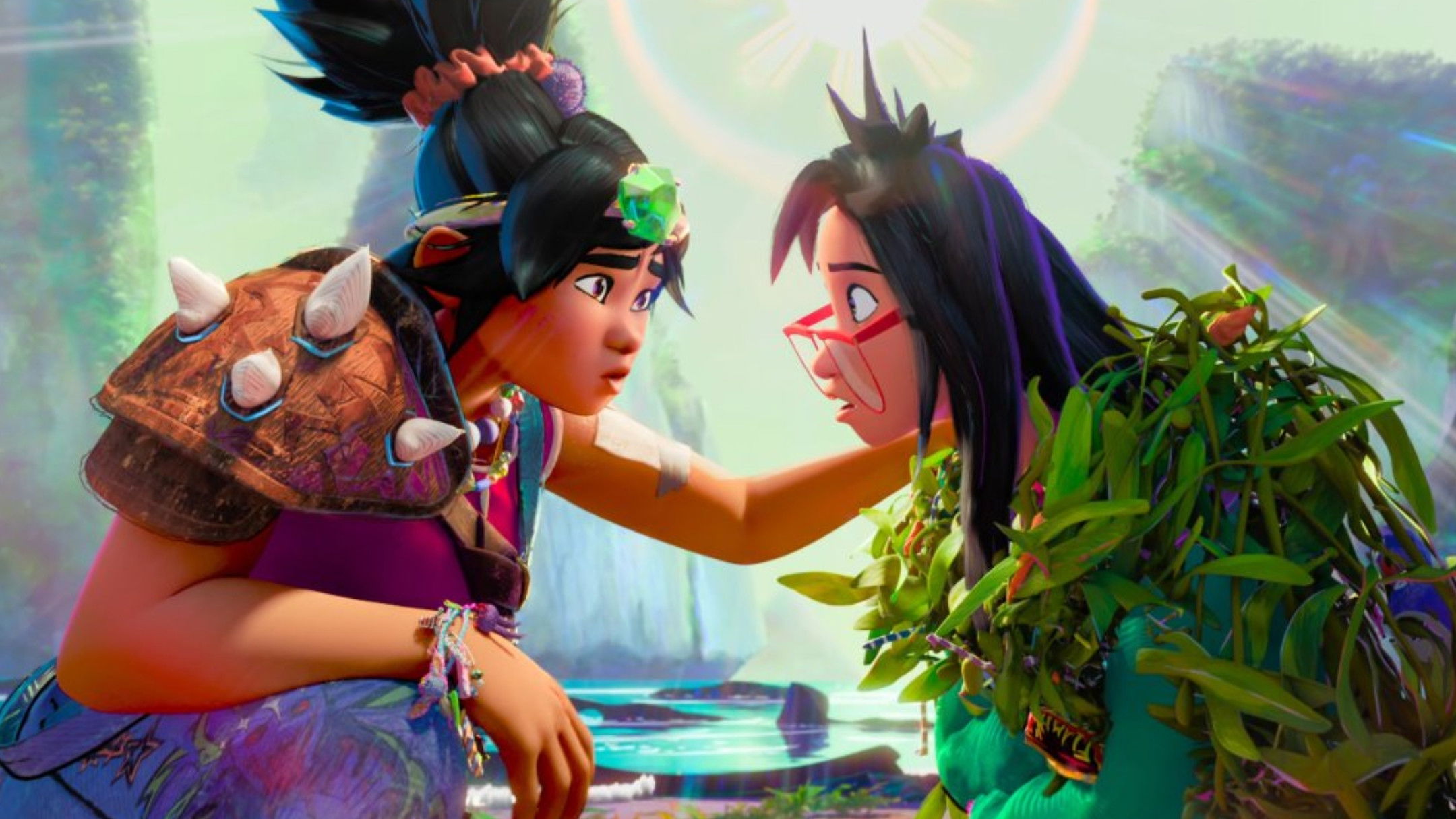
Hot on the heels of 2022’s Puss in Boots: The Last Wish, DreamWorks’ most critically acclaimed movie in years, and one that also performed well at the box office, director Joel Crawford was likely given the ‘key to the city’, as it were. He had absolute freedom to create whatever spoke to him, which we later found out to be Forgotten Island. While this entry’s tone differs quite a bit and aims for a slightly less mature audience, there’s no denying Crawford’s recent star power, hopefully launching an ever-blossoming career in DreamWorks Animation.
Even though Forgotten Island may not have been entirely relevant to all ages, leaning much heavier into the tribulations of somebody ten years my junior, there’s still an immense amount of joy and heartbreak to be taken from this. It may not be tackling themes of death and confronting your own mortality as you attempt to find what’s truly important in life, but it's not far off in the eyes of who this is made for. I’m sure this will end up a classic for those of that target demographic, and I can’t think of anything better to teach children the value of their childhood friendships and how their experiences shape who they are - lessons I’m sure I, as well as many of us, could have greatly benefited from at that age.
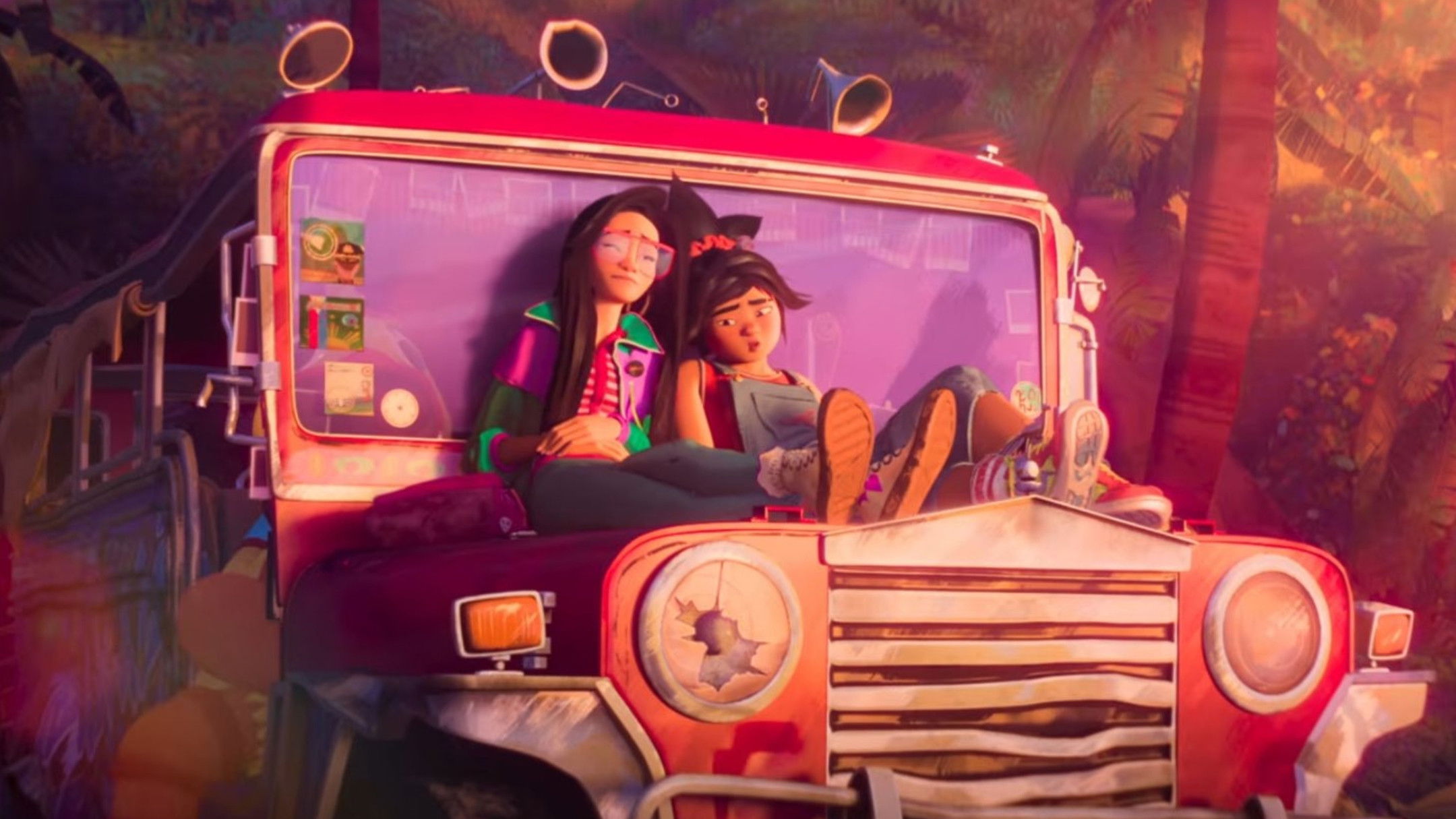
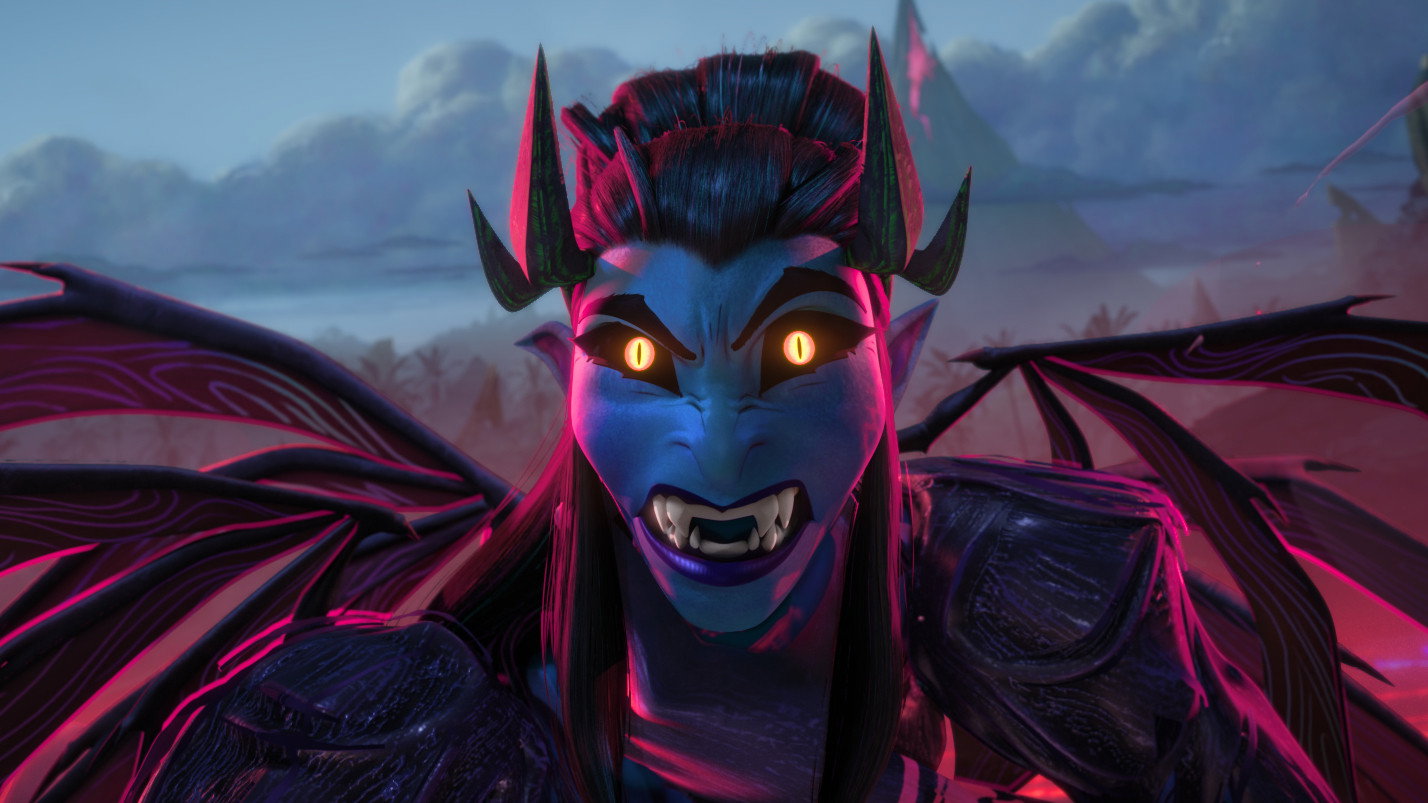
At first, at least from its marketing, this seemed like a ticking clock - a constant chase - as Jo and Raissa try to find a way off the island they so dearly idolised as their memories slowly slip away - being engulfed by a memory demon, who we initially believed to be Manang. However, this ended up being much more like The Hangover, though I’m definitely not complaining.
We follow Jo and Raissa retracing their steps after waking up twelve hours after entering Nakali Island, slowly deciphering the events of the night before. There is a ticking clock - that of Raissa needing to get back home to catch her flight to California - and while we’re reminded of the sentiment and reason for that clock quite a few times, I felt as if the actual time itself was quite irrelevant. We only saw it twice, once when it was first introduced and again when Jo and Raissa had two hours left, though it never makes for a hasty exit or even shows up at all in the third act.
I felt as if Manang had very little relevance to the overall story and ultimately - in conjunction with this ticking clock and the main unfolding events - just worked to bloat this already quite jam-packed story. I would have liked for this to go all in on this agoraphobic memory demon, seeping life from others to nurture her lack of experiences, as the villain - especially with the very little development she actually received - rather than sharing her time with Manang, leaving them both somewhat half-baked.
While this movie’s humour did occasionally fall somewhat flat for me, I definitely got a good few laughs and can see the appeal for the movie’s target demographic. I also admire the many different ways in which this attempted humour, even though some may not have worked, there was never an attempt to beat a dead horse - if one joke didn’t work for you, another will. However, I came to find that most of what landed for me was the background laughs. Occasionally, one of our many side characters would simply be doing something in the background while the main characters were furthering our story. I think what I enjoyed about this was when they weren’t trying too hard, which much of the upfront comedy tended to feel like.
Of course, just as expected, and just like Crawford’s last entry, Puss in Boots: The Last Wish, Forgotten Island is full to the brim with colour and personality. There’s so much beauty and energy in every single frame, start to finish, making for an incredible-looking two hours.
I admired the many nods to Filipino culture throughout. This felt rooted entirely in that culture, informing every stylistic decision and component of this world and this story. What I expected was for this admiration and inspiration of this culture to be somewhat forgotten about after the first act, once Jo and Raissa reached Nakali Island, though it seemed to only be amplified. While I may not be entirely informed on Filipino culture, I’m sure this will resonate greatly with those who are and who live it, improving the experience tenfold. I admire the ways that culture is woven through so many of today’s animated movies, spearheaded by this and Puss in Boots: The Last Wish, as this love and acceptance will undoubtedly translate to so many children who watch this.
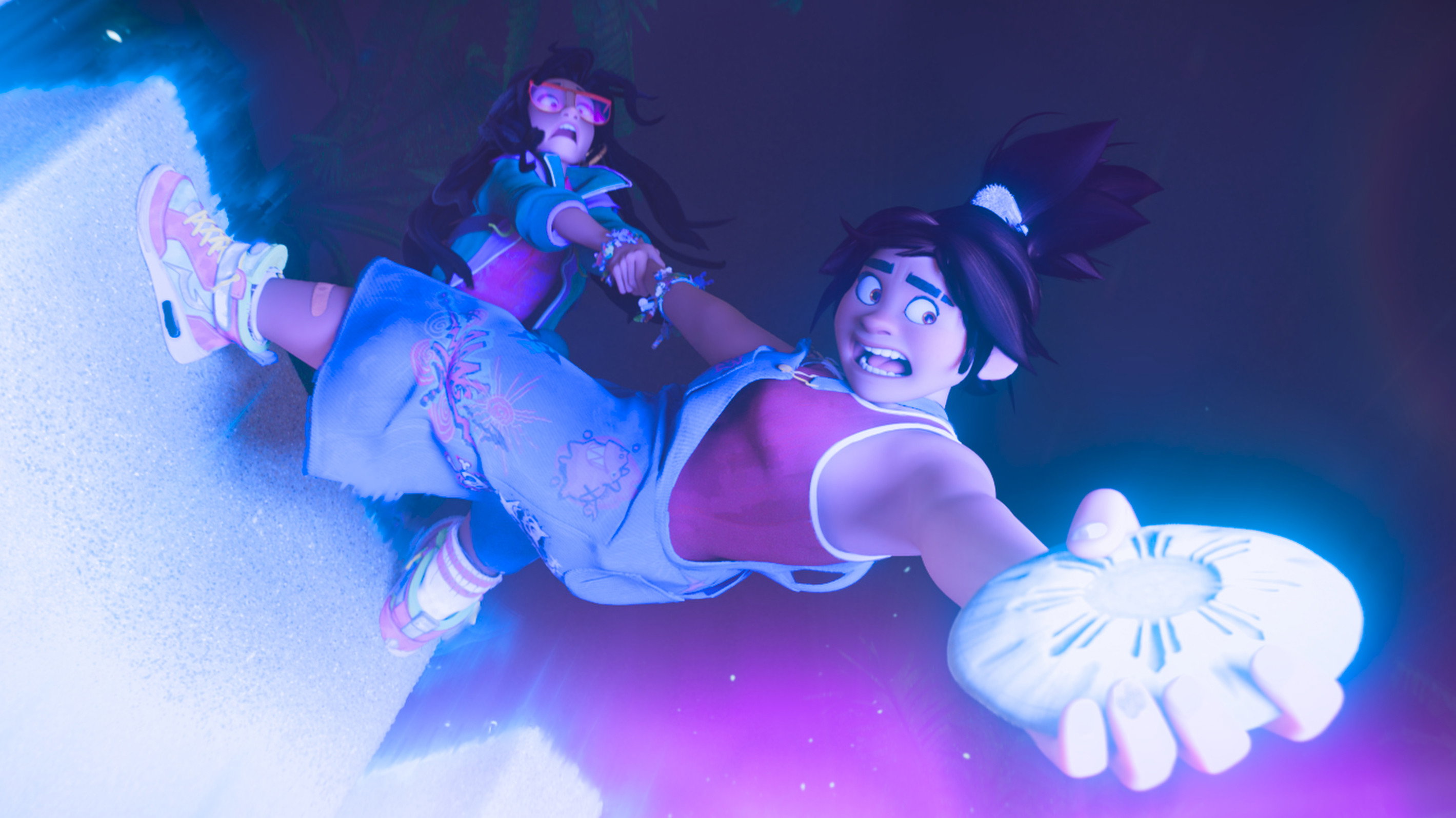
This movie’s third act is where it really finds its stride, becoming more emotional than it previously had been and launching us to the end in all the style and substance that you could ever ask for. We see an Eternal Sunshine of the Spotless Mind-style sequence of Raissa running through Jo’s memories, desperately trying to cling to anything as they slip away. After their friendship almost ending entirely, Raissa finally realises how much it means to both her and Jo and that losing it would mean losing a large part of themselves. Raissa comes to the conclusion that, if she’d never met Jo, she would have never become who she is today, so she is intent on saving those memories and returning her to the real world.
This scene is incredibly admirable, as it displays everything that we’d been leading up to. Every emotional beat comes to a head and punches the audience in the gut by telling us that the people we meet and befriend as children can become some of the most important things in the world and are undoubtedly worth fighting for.
While I don’t believe Forgotten Island holds a candle to Crawford’s last work, it’s not nearly as far off as it could have been. We still see so much of the style and personality, this time woven within an original story, rooted deeply in Filipino culture. All I would have liked to have seen here was more streamlining. Manang wasn’t necessary; the ticking clock wasn’t entirely necessary. This could have benefited greatly from cutting some of the fat and focusing on what matters - Jo and Raissa’s friendship, Batiba, and the culture - because that is what truly made this an incredible experience.